
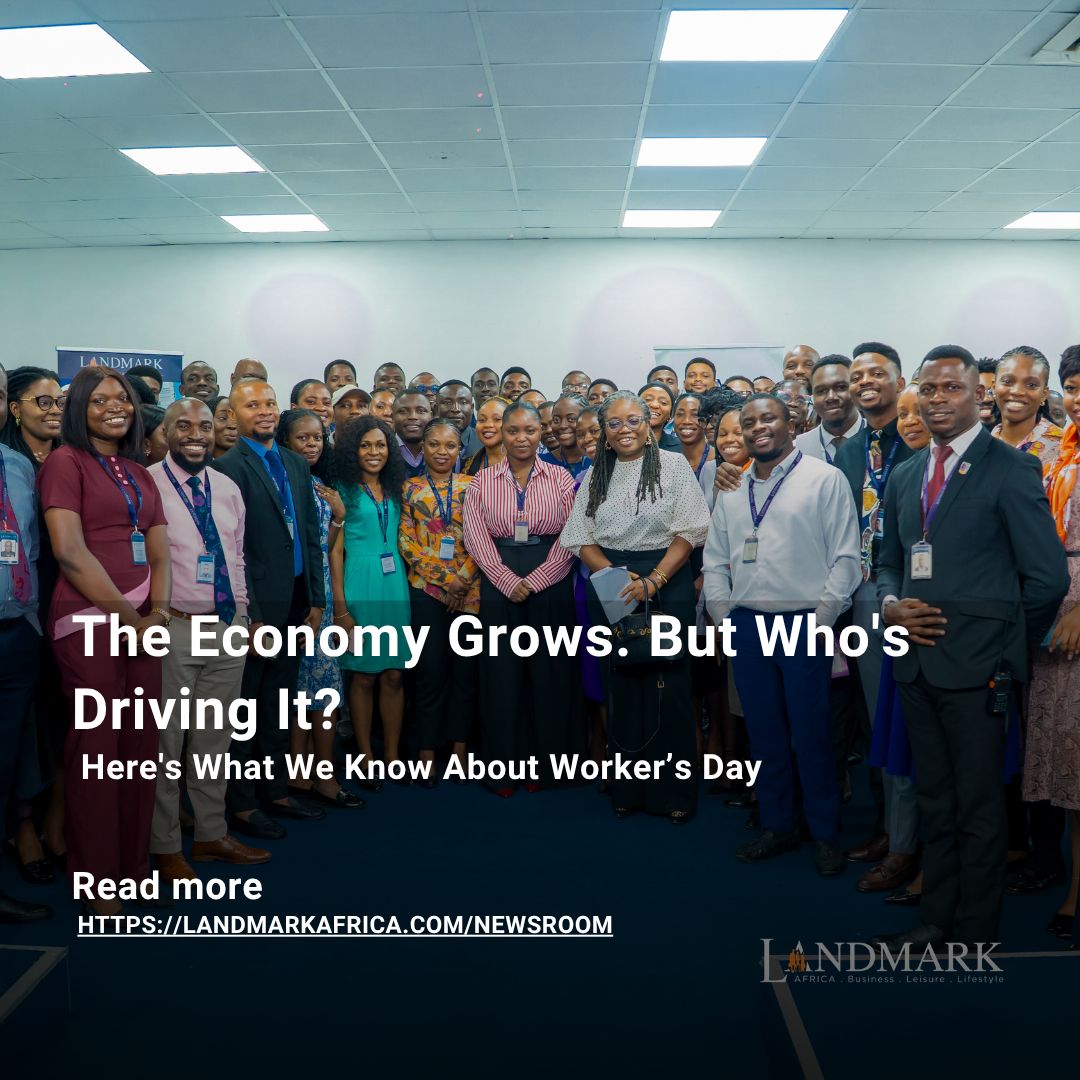
Workers’ Day 2026: An Ode to Those Who Builds the Places Where People Live, Work and Play
“Eight hours for work, eight hours for rest, eight hours for personal life.”
That was the idea that helped define the modern workday. What began as a radical demand in the 19th-century labour movement eventually reshaped how the world understands work itself. Before that shift, long hours were not an exception; they were the norm. Work consumed the day, and often, life beyond work barely existed.
So when Workers’ Day is observed across more than 160 countries today, it is easy to forget that what looks like a holiday was once a fight. A fight for time, a fight for dignity, a fight for balance, and even now, the question it leaves behind is still unresolved.
Who really carries the weight of progress?
Because while economies celebrate growth, it is workers who make growth visible.
Work Has Changed, But Pressure Has Not Disappeared
Modern work no longer looks like factories and assembly lines in most cities. It looks like offices, sites, hotels, screens, dashboards, systems and service counters. But beneath that transformation, one thing has remained constant: pressure, which has evolved faster than protection.
A 2024 global labour outlook by the International Labour Organisation noted that “work-related stress and mental strain are increasingly defining the modern workplace experience.” Not because work itself has become new, but because expectations have intensified faster than recovery. That is why this year’s Workers’ Day theme, “Good psychosocial working environments: A pathway to thriving workers and strong organisations,” is not symbolic. It is structural, because it shifts the conversation from how long people work to how well they work and, more importantly, how they live while working.
The Economy Is Not Built in Boardrooms Alone
Every economy tells a story of visible success. Skylines rising, investments expanding, infrastructure multiplying, tourism growing, and real estate appreciating. But those are outcomes, not origins. The origin is always labour.
As economist Dani Rodrik once observed, “Productivity is ultimately about people, not machines.”
Yet in most economic conversations, labour is still treated as background rather than foundation.
Nigeria reflects this tension clearly. A country with one of the largest labour forces in Africa also carries one of the most complex employment realities, where formal and informal work coexist, and where millions of people sustain entire sectors without traditional job structures. This is not just a labour market; it is a people economy, and people economies behave differently. They are resilient, but they are also sensitive. They grow quickly, but they strain easily.
Which is why the quality of work matters as much as the quantity of work. There is a quiet assumption in many industries that productivity is linear: more hours equal more output, but modern research across organisational behaviour consistently shows the opposite. Beyond a threshold, exhaustion reduces quality, not just well-being.
As management thinker Peter Drucker once put it, “There is nothing so useless as doing efficiently that which should not be done at all.”
The modern challenge is not whether people are working. It is whether the way they are working can last, because burnout is no longer an individual issue. It is becoming an economic one.
Hospitality, Real Estate and Lifestyle Depend on Invisible Labour
There is a tendency to describe industries like hospitality, tourism, lifestyle and real estate in terms of assets. Buildings. Destinations. Venues. Developments. Spaces. But assets do not function alone. A hotel does not operate because it exists. A destination does not thrive because it is built. A lifestyle space does not succeed because it is designed.
They succeed because people activate them. Someone cleans before guests arrive, someone prepares long before an event begins, someone stays behind after closing to reset everything, someone ensures that what is visible feels effortless, and someone attends to guests when they arrive.
As service expert Jan Carlzon once said, “Every moment of truth is created by an employee.” In other words, what customers experience is never the structure itself. It is the human effort inside it.
Landmark‘s 27 Years of Building Through People
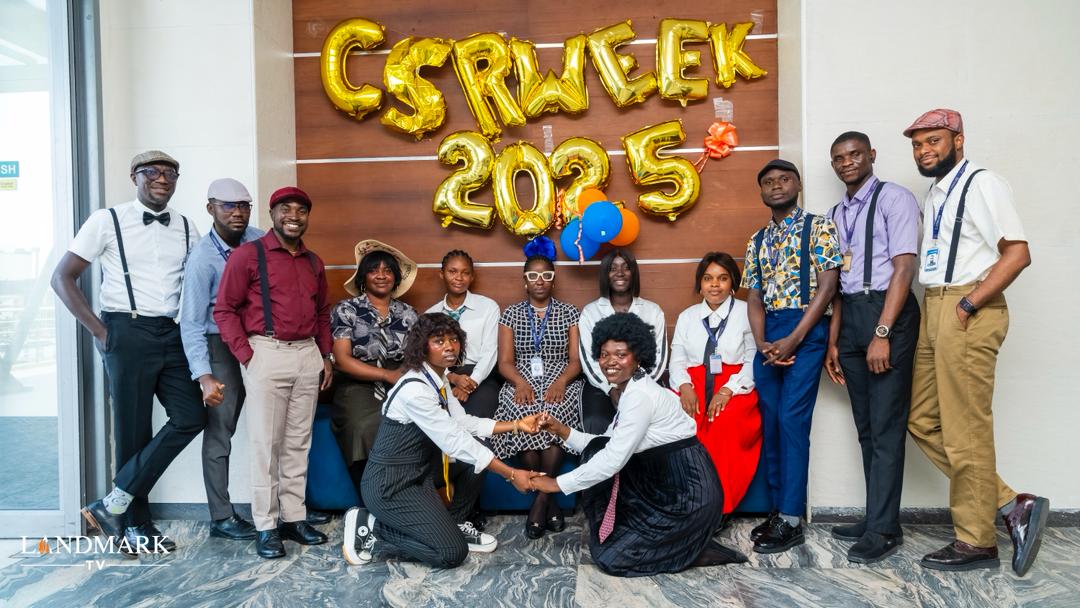
Twenty-seven years ago, Landmark began with a three-man team in London and a simple but ambitious belief: that Africa could have world-class spaces where people could live, work, play and experience what people travel abroad to have.
What started as a small founding team has, over time, morphed into a real estate, lifestyle, hospitality, and tourism ecosystem powered by over 200 people working across different functions, locations, and levels of expertise.
But the real story of that growth is not expansion alone. It is the people. The teams who translate vision into structure, the operators who turn spaces into functioning environments, It is the hospitality professionals who turn visits into experiences, and it is the maintenance and technical teams who ensure continuity. It is the quiet discipline behind every seamless moment.
Growth, in reality, is never abstract. It is always human.
And as Landmark expanded its reach, it also expanded its workforce, because no ecosystem in real estate, hospitality or tourism scales without people scaling with it.
The Question That Will Define the Next Decade
The global economy is entering a new phase where capital is no longer the only differentiator.
Culture is.
Talent is.
Retention is.
Wellbeing is, and as Harvard Business Review once noted, “Organisations that neglect employee experience ultimately pay for it in performance.”
The implication is simple but uncomfortable: Companies are no longer just competing for customers. They are competing for workers who can sustain excellence.
Closing Reflection
Workers’ Day is often treated as just another holiday. But its real meaning is deeper than rest. It is a reminder that every system we admire, economic, physical, or cultural, is carried by people we often do not see.
Or as labour historian voices often repeat in different forms: “If you build everything but forget the builder, nothing you build will last.”
At Landmark, that truth is not abstract. It is operational because every space we create, every experience we deliver, and every destination we shape begins and ends with people.
And that is what this day is really about.
Happy Workers’ Day from all of us at Landmark Africa Group
Comments
There are no comments yet.
Leave a Comment
Similar Posts
Oluwakemi Awodele
March 11, 2026
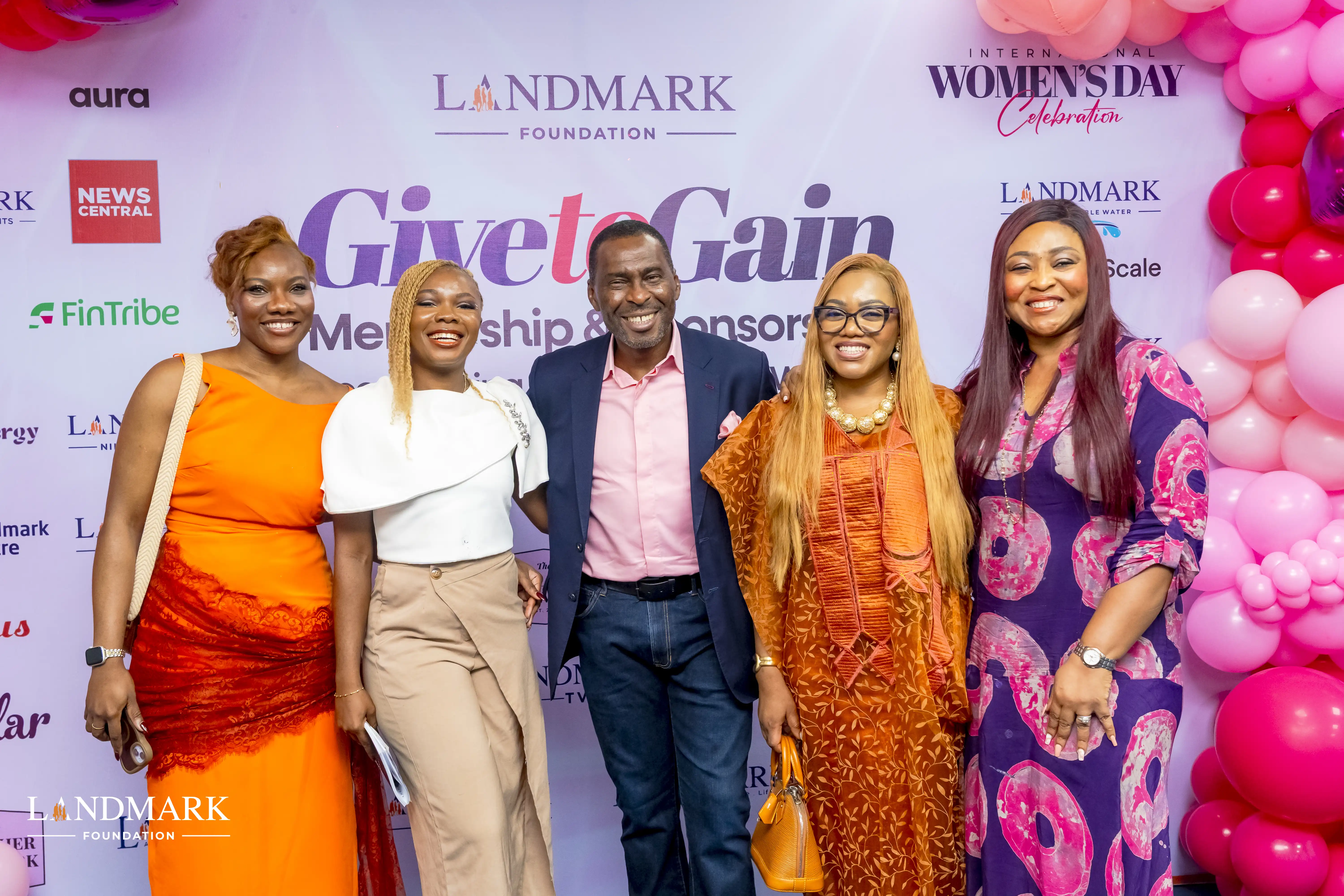
International Women’s Day 2026: Landmark Africa Group Celebrates Women’s Empowerment
Landmark Africa Group continues to advance opportunities for women through strategic initiatives, partnerships, and leadership development programs. Much of this work is driven by the Landmark Foundation, the organization’s social impact arm, which focuses on empowering individuals and communities through mentorship, education, and capacity development.
Read More
Entertainment
Landmark TV
Subscribe to our YouTube channel for all of the latest news and exciting happenings right here at Landmark Lagos.