

For decades, Africa’s tourism industry has been overlooked in favour of destinations overseas in other continents. But its most resilient and overlooked travel market is already at home.
Africa's biggest tourism opportunity could be travellers already on the continent.
Ask a Nigerian family where they would like to spend the summer holidays, and Dubai may come up before Enugu. Ask a Ghanaian couple about a weekend escape or honeymoon destination, and Cape Town may sound more exciting than Cape Coast.
That is not simply a matter of preference. It reflects an idea the tourism industry itself has reinforced for decades: that world-class leisure exists somewhere else.
Governments have measured success through international arrivals. Tourism boards have marketed African destinations in London, Paris, New York and Dubai. Developers have designed resorts around the expectations of foreign visitors. Airlines, hotels and policymakers have focused on attracting travellers from outside the continent.
It was not the wrong strategy. It was an incomplete one.
While the industry looked outward, Africans quietly began travelling more within their own countries. They booked birthday staycations, December getaways, wellness weekends and spontaneous road trips. Lagos residents explored nearby resorts within neighbouring states or countries. Accra became a festive-season destination. Families began looking for experiences that did not require months of planning, complicated visa applications or expensive long-haul flights.
The industry’s next phase of growth will depend on how seriously it takes those travellers.
The Market Hiding in Plain Sight
In Nigeria, domestic tourism is not a niche beside the international market. It is considerably larger.
World Travel & Tourism Council (WTTC) estimates for 2024 put domestic visitor spending in Nigeria at approximately ₦4.95 trillion, compared with about ₦491.9 billion from international visitors. In other words, Nigerians travelling within Nigeria were expected to spend roughly 10 times as much as visitors arriving from abroad.
That gap should change how the tourism industry thinks about opportunity.
International tourism remains important. It brings foreign exchange, expands global awareness and supports aviation and hospitality. But it is also exposed to factors that individual destinations cannot control: visa policies and restrictions, currency fluctuations, international flight capacity, geopolitical tension and perceptions of safety.
Domestic travellers operate differently. They are already in the market. They understand the culture, know the food and can make decisions quickly. They may travel for only two nights instead of two weeks, but they can return several times a year.
That repeat behaviour matters.
A foreign tourist may visit a destination once in a lifetime. A local family can return for birthdays, school holidays, concerts, weddings and long weekends and introduce the destination to someone new each time.
Why Local Travel Is Accelerating
Three forces are making domestic tourism increasingly important across Africa.
The first is economics.
International travel has become more expensive for many African households as currencies weaken and airfares rise. That does not eliminate the desire to travel. It redirects it. A family that postpones an overseas holiday may still book a weekend at a resort nearby. A group of friends priced out of a European summer trip may choose a festival, beach destination or city break at home.
Local travel offers shorter journeys, fewer logistical complications and greater flexibility. It can be planned around a birthday rather than an annual leave calendar.
The second force is cultural.
Travel is no longer only about escaping everyday life. It has become part of how people celebrate, socialise and express themselves. A destination is competing not only on room quality or food, but on whether it creates a story worth telling.
This is where experience design becomes inseparable from marketing.
A visually distinctive attraction can travel much further online than a traditional advertisement. Visitors post photographs, videos and recommendations, introducing the destination to audiences that may never have encountered it through a tourism campaign.
The most successful destinations therefore do more than accommodate people. They give people something to participate in and something to share.
The third force is resilience.
When international travel is disrupted, the demand for leisure does not disappear. People still want somewhere to relax, celebrate and reconnect. Domestic tourism gives operators a customer base that is less dependent on long-haul aviation or the decisions of foreign governments.
That does not make the market immune to economic shocks. It makes it closer, more familiar and potentially faster to recover.
Even travel between African countries continues to face visa, aviation and connectivity barriers. Domestic tourism, by contrast, can grow without waiting for the continent’s cross-border travel system to become easier.
Building Destinations, Not Isolated Attractions
At Landmark Africa, the rise of local travel reinforces a conviction we have held since the company was founded in 1997: Africans should not have to leave the continent to enjoy beautiful, memorable leisure experiences.
But meeting that demand requires more than opening another hotel or installing another attraction.
People rarely travel for infrastructure alone. They travel for the experience that infrastructure makes possible.
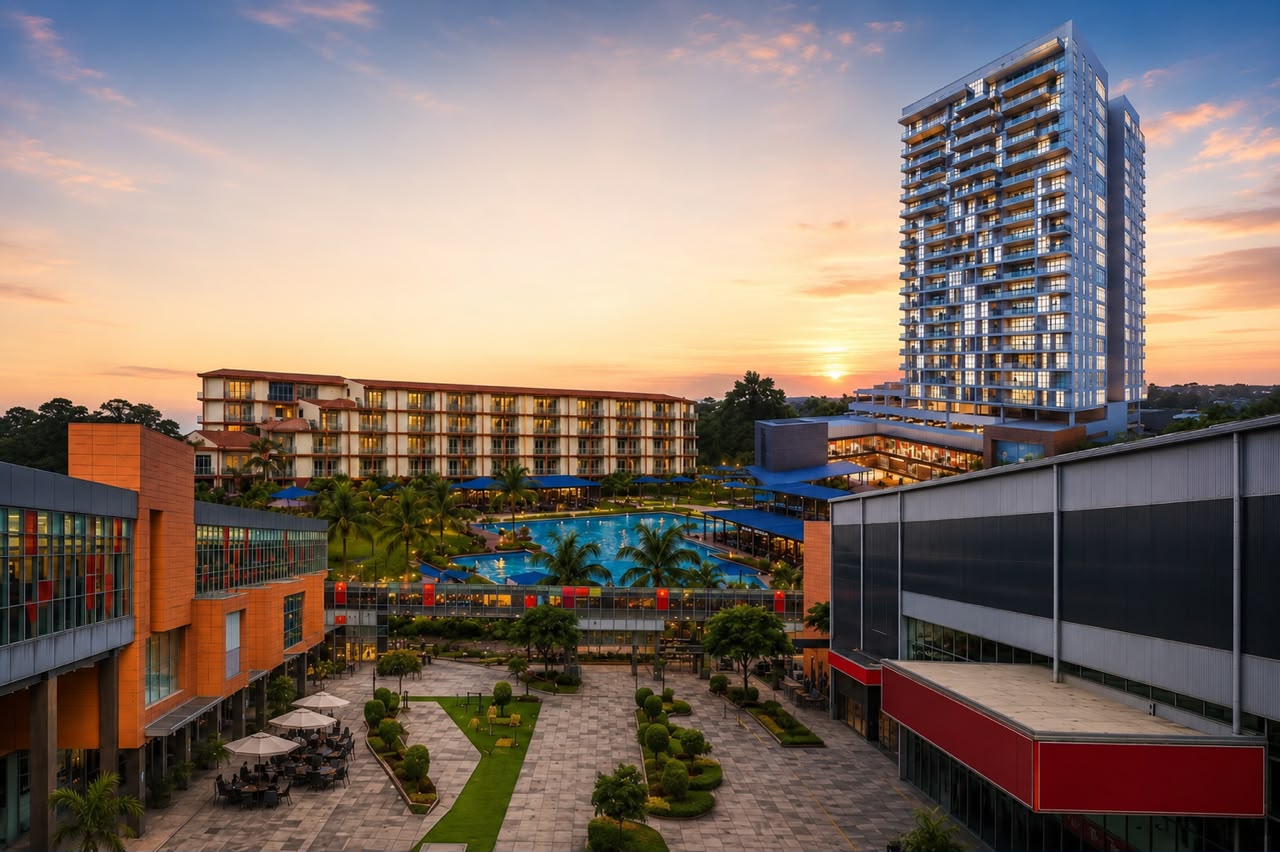
That is why Landmark’s model has focused on connected destinations where hospitality, entertainment, dining, retail, business and recreation reinforce one another. The company’s portfolio has grown to include Landmark Towers, Landmark Boulevard,, Landmark Nike Lake Resort, Landmark Centre Lagos & Owerri, Landmark Hotels, POP Landmark and the Landmark Upside Down House, among other experiences.
At Landmark Lagos, a visitor can move between restaurants, entertainment, recreation and events within the same wider ecosystem. The destination is designed around the idea that a guest may arrive for one reason and discover several others to stay.
That matters for domestic tourism because the local traveller is not always planning a major holiday. Sometimes the decision is simply: What can we do this weekend?
A destination that answers that question repeatedly has a significant advantage.
Designing for the Return Visit
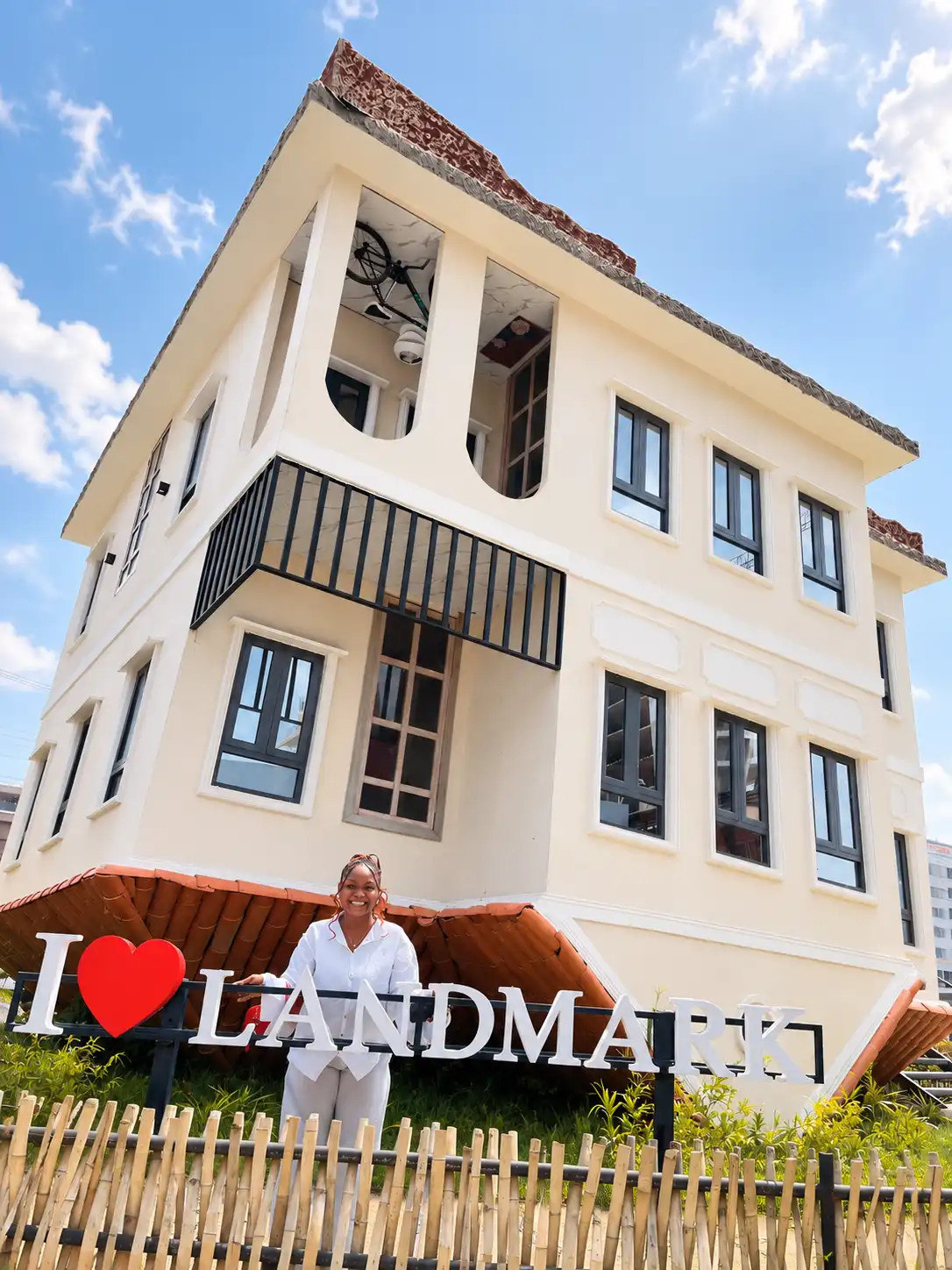
The Landmark Upside Down House illustrates how that thinking translates into an attraction.
Its value is not simply that people can enter an unusual building. The experience invites interaction. Families create photographs together. Couples make videos. School groups turn the visit into an excursion. Content creators reinterpret the space for their own audiences.
The visitor does not merely observe the attraction. The visitor becomes part of it.
That distinction is important because sustainable domestic tourism is built on more than first-time attendance. It requires recommendations, repeat visits and new reasons to return.
The same principle applies to larger destinations. A resort that remains unchanged may attract curiosity when it opens, but curiosity has a short lifespan. Local travellers need evolving programmes, seasonal events, new dining concepts and experiences for different stages of life.
A couple may visit for a date today, return for a wedding later and eventually come back with their children. The strongest destinations are capable of remaining relevant throughout that journey.
Why Growth Cannot Stop in Lagos
Africa’s domestic tourism opportunity is not confined to its largest commercial capitals.
Secondary cities have families looking for entertainment, professionals seeking weekend escapes, schools planning excursions and businesses organising retreats. What many of these markets lack is not demand, but a consistent supply of well-designed destinations.
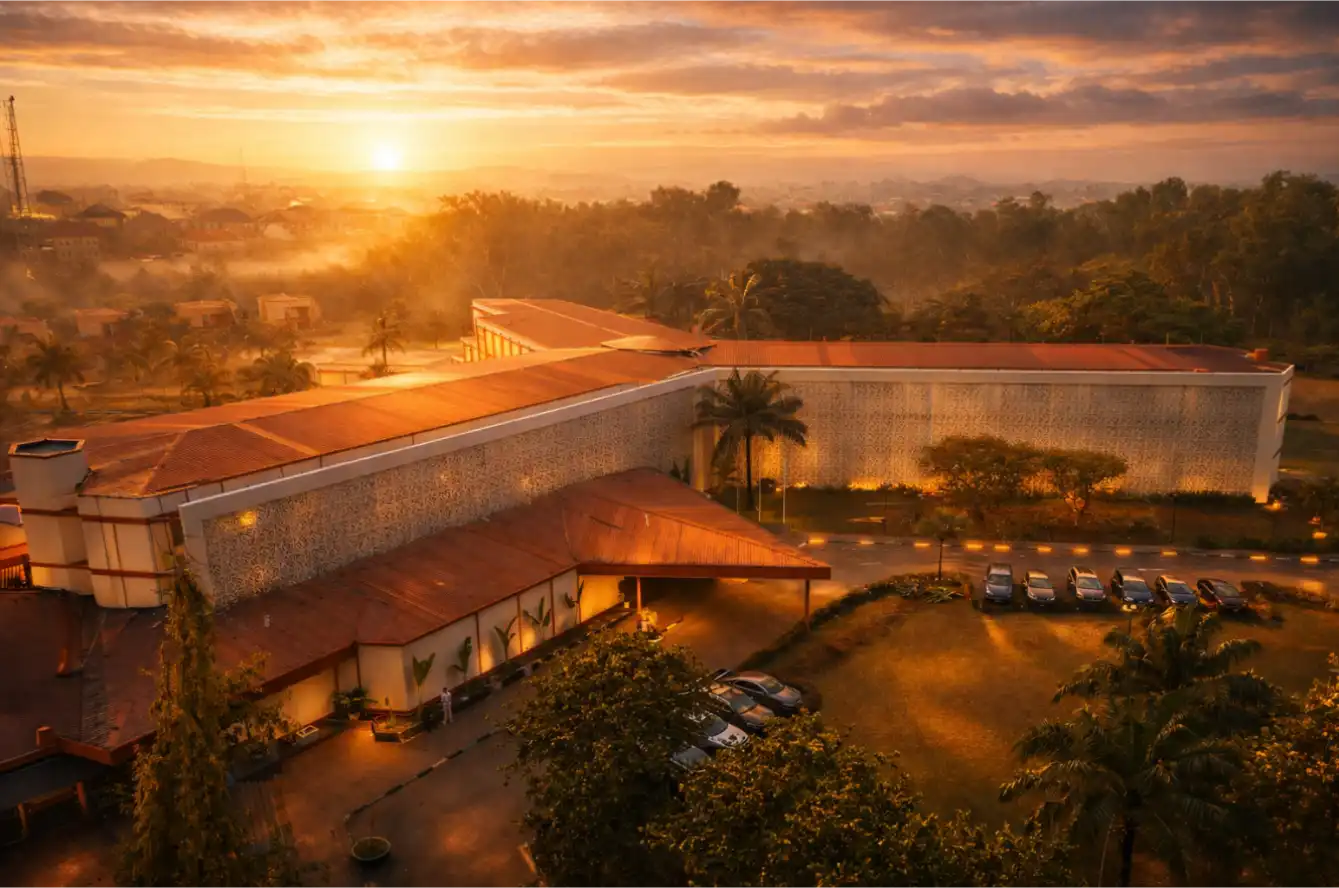
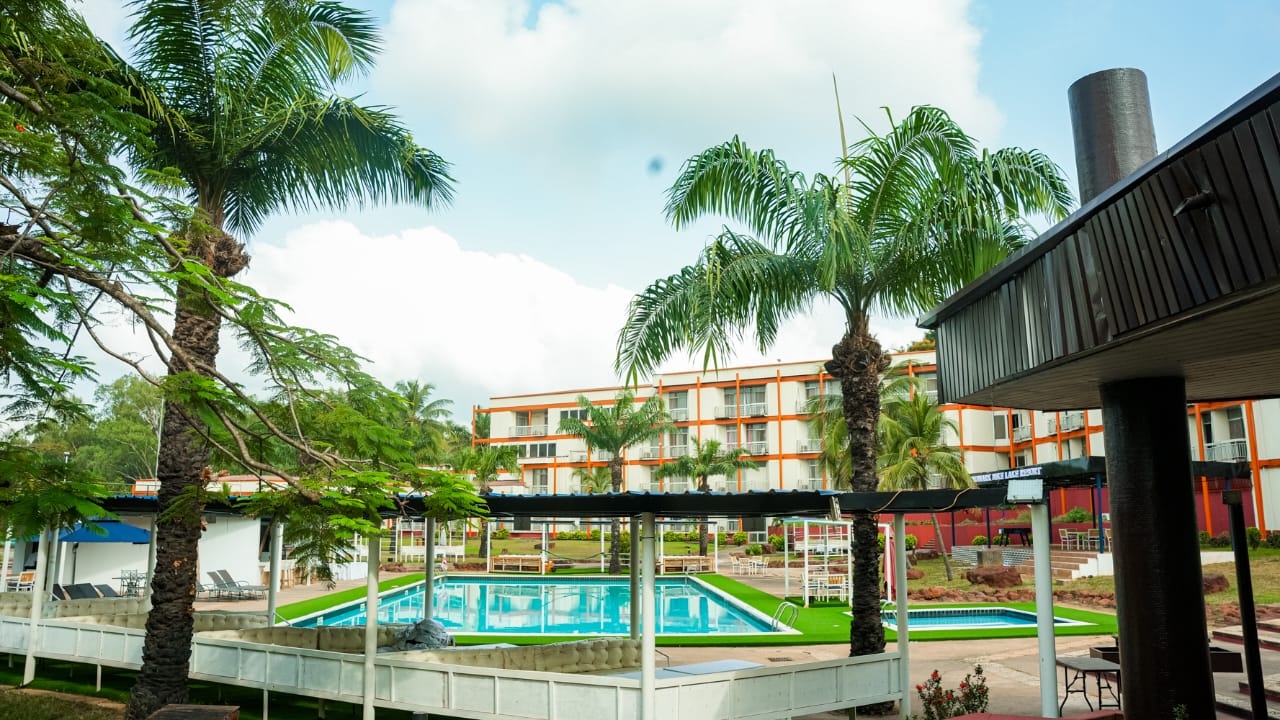
Landmark Africa’s expansion into Enugu reflects that opportunity. Landmark Nike Lake Resort began operations in 2025, extending the company’s hospitality and leisure model beyond Lagos. Located near Enugu’s city centre and airport, the resort combines accommodation with a wider vision that includes waterfront, sporting, dining and recreational experiences.
The goal should not be to copy and paste Lagos into another city. Each destination has its own rhythms, culture and audience.
The more useful question is: what would persuade someone living here or in a neighbouring state to spend a weekend exploring this destination rather than booking a flight out of the country?
Answering that question city by city could unlock a far broader tourism economy.
It would distribute spending beyond the best-known destinations. It would support local restaurants, transport operators, entertainers, retailers and suppliers. It would also create reasons for Africans to experience parts of their own countries that have historically received little tourism investment.
The Industry Must Stop Treating Africans as the Backup Market
For too long, domestic travellers have been viewed as the audience tourism operators turn to when international arrivals decline.
That thinking needs to be reversed.
Local travellers should influence how destinations are priced, programmed, marketed and designed from the beginning. Their expectations should not be treated as secondary to those of foreign visitors.
That means creating experiences that are easy to discover and book. It means offering enough variety for visitors to return. It means recognising that hospitality, entertainment, retail, culture and food are not separate tourism categories but parts of the same experience.
Most importantly, it means building places Africans are proud to recommend.
The destinations that lead the next decade of African tourism will not necessarily be those with the largest advertising budgets. They will be those that understand how local people actually spend their time: in families, friendship groups, professional communities and online networks.
They will turn an afternoon visit into a weekend habit and a weekend habit into a thriving tourism economy.
Africa Does Not Need to Wait to Be Discovered
International visitors will remain a valuable part of Africa’s tourism future. But no resilient tourism industry can depend entirely on people arriving from somewhere else.
The strongest foundation is a population that travels, spends and explores at home.
Africans already want to experience new places. They want memorable weekends, better resorts, richer cultural encounters and destinations that feel both accessible and exceptional.
The challenge is not convincing Africans to travel.
It is building more places worth travelling to.
That is the future Landmark Africa has been working toward since 1997: destinations where hospitality, leisure, business, entertainment and culture come together and where world-class experiences do not require leaving the continent.
Africa’s next tourism boom will not be built by waiting for the world to arrive.
It will be booked by Africans, experienced by Africans, shared by Africans and revisited again and again.
Comments
There are no comments yet.
Leave a Comment
Similar Posts
Oluwakemi Awodele
July 01, 2026
A Defining Moment. An Enduring Vision. Inside Landmark Africa’s Next Chapter of Growth
Read More
Entertainment
Landmark TV
Subscribe to our YouTube channel for all of the latest news and exciting happenings right here at Landmark Lagos.